Context! Context! Context!
Part 1 of Beyond the Code: Designing Services That Stand the Test of Time
Software Engineer. Leader. Writer. Speaker.

Husband, father, software engineer, metaller, I have been writing software for over 40 years and professionally for more than 25. In that time I have worked for, and in, all sorts of companies from two man startups to world famous investment banks and insurance companies. I have built and run three limited companies, none of which made me a millionaire and two of which threatened my sanity on more than one occasion.
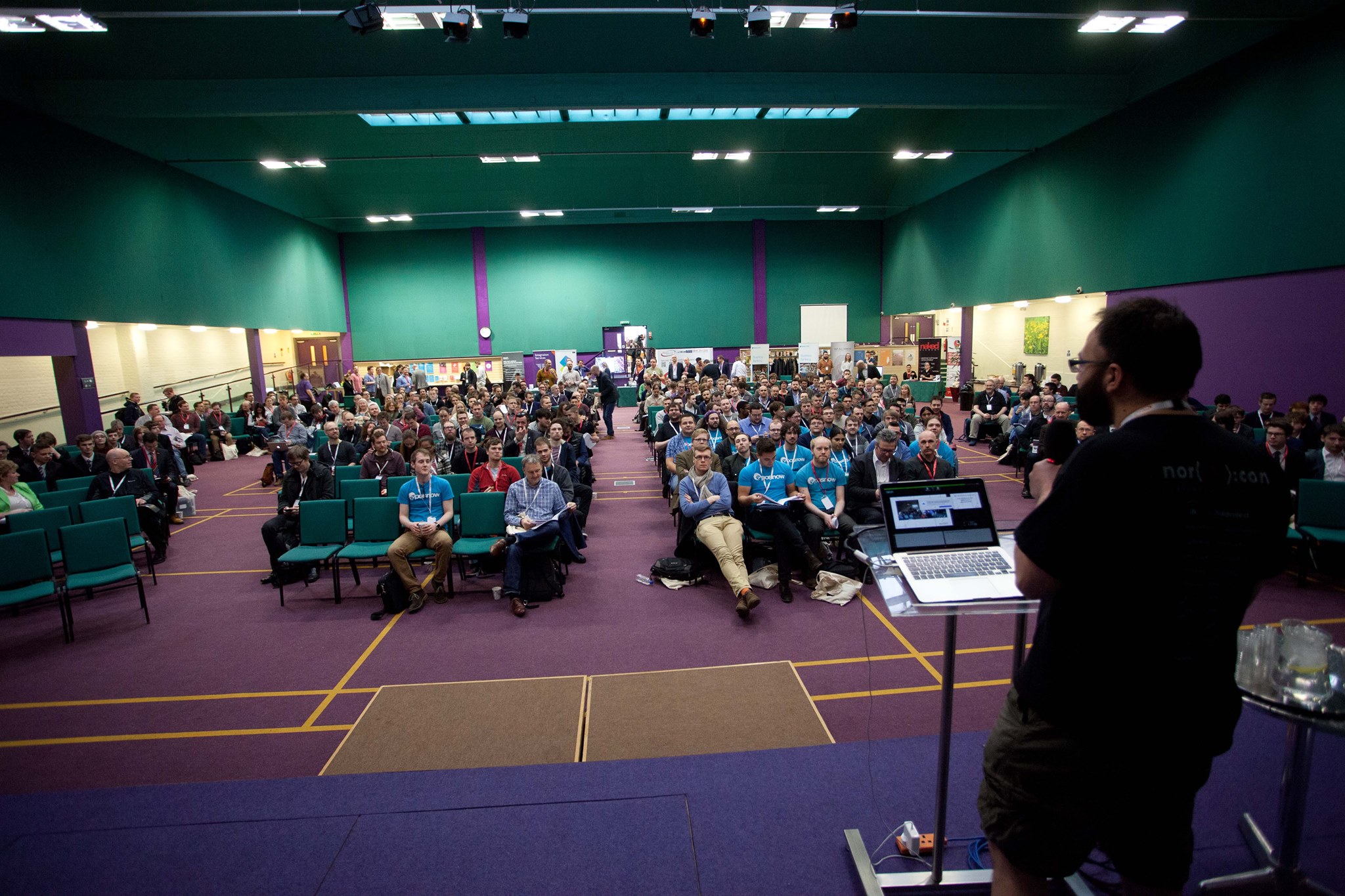
I was a founding member of both SyncNorwich and Norfolk Developers, two of the most successful tech and startup community groups in the East of England. I created and chaired the hugely successful Norfolk Developers Conference (nor(DEV):con) for seven years bringing in speakers and delegates in the sphere of software engineering from around the globe.
I am currently a Software Engineering Team Lead at Haven holiday parks. I loathe the word Entrepreneur, not least because I struggle to spell it and it reminds me of Del Boy from the 80s sitcom Only Fools and Horses. I see Entrepreneurship as a side effect of the creative process of problem solving, rather than a career path in its own right.
Despite having dealt with the world of business from directors of the board down, I have kept both feet firmly on the ground, even when my head has been in the clouds, with healthy doses of Heavy Metal, Science Fiction and Formula One and long hair until it started falling out in 2013.
Now I can add author to the mix, having written my first book, So You Think You Can Lead a Team?, based on 25 years of lessons, mistakes, and unexpected leadership journeys.
Oh, and I love good tea too!

Out Now!
So You Think You Can Lead A Team? is a firsthand look into what team leadership means. Bringing real world examples into everyday workplace situations, So You Think… offers practical advice and support for those considering a position in leadership, as well as advancement for those already established in their role.
Although rooted in software development, this guide can be applied in almost any work scenario where project management, team mentoring and decision making are key.
Written by Paul Grenyer, someone who has been led and now leads, the book pulls advice and input from professionals across the full spectrum of software engineering to distill what leadership means in a practical sense, and how best to achieve the best from a team, as well as giving them your best.
ISBN: 979-8-269-11432-3

The MaidWhen we were offered the opportunity to stay in a suite at the Maids Head Hotel in Norwich, even though we live in Norwich, we couldn’t resist and booked it for our 19th wedding anniversary. And I’m so pleased we did. We’ve travelled a lot this year, so it was nice to have time together away...

Part 1 of Beyond the Code: Designing Services That Stand the Test of Time

A little while ago I did a survey to try and find out the reading habits of software professionals.

Here I remind new software team leaders that effective leadership is not just about doing hands-on technical work.

Here I emphasizes the importance of choosing your battles to be a more effective and balanced leader.

Here I outline practical guidelines for designing consistent, well documented REST APIs, covering resource identification, naming conventions, versioning, HTTP verbs, response codes, error handling, headers, and response structure, emphasizing consistency and clarity throughout.